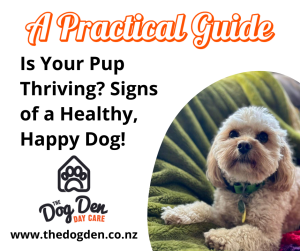
Is Your Pup Thriving? Spot the Signs of a Healthy, Happy Dog!
How to Know If Your Dog Is Healthy
(A Friendly, Thorough Check Guide from The Dog Den)
Dogs can’t tell us how they feel, but they’re always communicating through behaviour, movement, appetite, and routine. At The Dog Den, we watch these signals closely every day in daycare and grooming, and we’ve built clear health standards—like vaccination requirements and illness stand‑downs—to protect every dog in our care. Use this guide as a practical checklist at home, and learn how our team supports your dog’s wellbeing when they’re with us.
1) Vaccinations: The First Line of Community Protection
Vaccinations are essential for all dogs, as illness can spread from any contact—including shared water bowls at cafés or shops (100 dogs a day may have drunk from that bowl!).
To attend daycare or boarding kennels, all dogs must be vaccinated against:
- Canine distemper virus (D)
- Adenoviruses (hepatitis and kennel cough) (A, A2, or H)
- Parainfluenza (P)
- Parvovirus (P)
- Leptospirosis
- Bordetella (kennel cough)
Keeping boosters current reduces the spread and severity of contagious diseases. We keep vaccination records on file and may deny attendance until they’re up to date—this protects your dog and their friends.
Puppy vaccination timing (NZ typical schedule):
- 6–8 weeks: First DHPP (5‑in‑1)
- 10–12 weeks: Second DHPP + Leptospirosis + Kennel Cough
- 12–14 weeks: Final round
- Renewals:
- DHPP every 2–3 years
- Leptospirosis annually
- Kennel Cough annually
Always speak to your vet to confirm the right schedule for your puppy.
2) Behaviour and Mood: What “Normal” Looks Like
Healthy dogs are alert, curious, and recover quickly after excitement. In daycare, we separate dogs into small, supervised play areas matched to their temperament and energy. Natural light, ventilation, fresh water, and rest spaces help prevent overwhelm and support calm social interactions. If a dog’s behaviour shifts—withdrawal, unusual reactivity, or prolonged lethargy—our team notices and updates owners.
At home, watch for sustained changes such as:
- Clinginess or hiding
- Startle responses
- Attention‑seeking
- Irritability or restlessness
If these persist, a vet check is a good idea. Pairing a health review with structured outlets like daycare or training can help restore routine and reduce anxiety.
3) Appetite, Hydration, and Digestive Health
Regular, enthusiastic eating and steady hydration are good signs of wellbeing. Healthy stools should be formed and consistent. If we’re told about recent vomiting or diarrhoea, we’ll advise a stand‑down from daycare to prioritise recovery and protect others. Nutrition plays a major role in digestive comfort. Many Dog Den families use our curated raw and grain‑free options to support gut health and coat quality. When transitioning diets, we recommend a gradual 7–14‑day plan.
4) Movement and Mobility
Watch your dog walk, trot, sit, and lie down. Smooth transitions without stiffness or limping indicate comfortable joints. During enrolment, we ask about injuries or joint conditions (arthritis, dysplasia) so staff can adapt play environments and monitor appropriately.
Signs to watch for:
- Bunny‑hopping
- Reluctance to jump
- Difficulty rising after rest
Our daycare uses rubberised flooring that’s gentle on joints and easy to sanitise. We also limit group sizes to prevent jostling. High‑energy dogs may benefit from Farm Adventures, offering structured off‑lead hiking on private land under trained supervision.
5) Skin, Coat, Ears, and Nails
A healthy coat has a natural sheen, and skin should be supple without persistent flakes or redness. Ears should be clean and odour‑free. Nails shouldn’t touch the ground when standing. Our grooming salon provides full hygiene care—bath, brush, deshed or clip, ear tidy, and nail maintenance—using low‑stress handling and high‑quality products. Groomers often spot early signs of irritation, hot spots, or lumps so owners can act promptly.
At home:
- Brush routinely (especially curly or double‑coated breeds)
- Use dog‑specific shampoos
- Monitor shedding and matting
6) Respiratory Health and Canine Cough Awareness
Canine cough is a common, highly contagious upper respiratory illness—similar to a cold among school kids.
Symptoms include:
- Honking or raspy cough
- Sneezing
- Runny nose
- Watery eyes
- Mild fever
- Reduced appetite
We sanitise daily with hospital‑grade products and require vaccination, but no social environment can be 100% risk‑free. Unwell dogs must stay home, and stand‑down periods apply after antibiotics or final symptoms.
Most cases are mild in vaccinated dogs, but puppies or immunologically naïve dogs may need extra rest—another reason our puppy policies emphasise vaccination timing and gradual exposure.
7) Environment and Cleanliness — Why Facility Standards Matter
Clean, well‑ventilated play spaces with controlled group sizes support health by reducing stress and limiting the spread of bugs. The Dog Den follows established welfare guidelines and deep‑cleans play areas daily using pet‑safe, biodegradable disinfectant. Staff use recall and distraction techniques to maintain calm group dynamics. We also operate clear booking and attendance policies—arrival windows, cancellation guidelines, and health disclosures—to ensure smooth days and proper staffing.
Please let us know if your dog has wounds, coughs, tummy upsets, or has recently attended another daycare or boarding facility.
8) Your At‑Home 5‑Minute Health Check
Quick checklist:
- Eyes & nose: bright, clear, minimal discharge
- Mouth: pink gums (unless pigmented), normal breath, no broken teeth
- Ears: clean, no strong odour, minimal wax
- Skin & coat: no hot spots, dandruff, or sudden thinning; part fur to check skin
- Paws & nails: trimmed nails, healthy pads, check between toes
- Movement: smooth sit‑stand transitions, comfortable trot
- Energy & mood: normal for your dog’s age and routine
Pair this with monthly grooming or tidy‑ups and regular, structured exercise. If something seems off for more than a day or two—especially appetite, breathing, or mobility—book your vet.
How The Dog Den Can Help
From enrolment onward, we partner with you on your dog’s health. Vaccination checks, illness protocols, and transparent communication keep our community safe.
In daycare, dogs are grouped by temperament and energy, supervised by trained staff, with clean water, rest areas, and plenty of enrichment.
For coat and hygiene, our grooming team provides gentle, thorough care. For dogs needing more than a neighbourhood walk, Farm Adventures offer structured off‑lead exercise with recall practice on private land.
We also track your dog’s vaccinations and automatically send reminders when renewals are approaching.